- info@acellushospital.com
- Avanti Vihar, Raipur
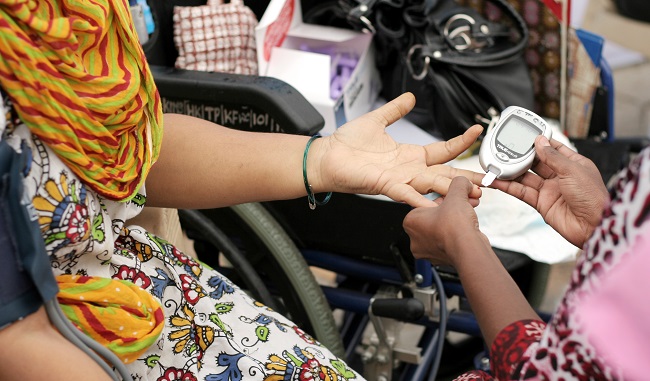
Diabetes has emerged as one of the most significant health concerns in India, affecting millions of people across different age groups. Once considered a disease primarily associated with older adults, diabetes is now increasingly being diagnosed among younger individuals and even children.
Rapid urbanization, changing lifestyles, unhealthy dietary habits, and lack of physical activity have contributed to the alarming rise of this condition. As India continues to develop economically, the burden of diabetes has become a major public health challenge.
is the shift towards sedentary lifestyles. Many people spend long hours sitting at desks, working on computers, or engaging with digital devices, leaving little time for physical activity. Combined with reduced exercise and increased stress levels, this lifestyle significantly increases the risk of developing Type 2 diabetes. Urban populations are particularly vulnerable due to busy schedules and unhealthy daily routines.
Dietary patterns have also changed considerably over the years. The consumption of processed foods, sugary beverages, fast foods, and refined carbohydrates has increased substantially. Traditional diets rich in whole grains, fruits, and vegetables are gradually being replaced by calorie-dense and nutrient-poor alternatives. Excessive intake of sugar and unhealthy fats contributes to obesity, which is one of the major risk factors associated with diabetes. Furthermore, irregular meal timings and overeating have become common habits among many Indians.
Genetic predisposition plays an important role in making Indians more susceptible to diabetes. Studies have shown that South Asians have a higher tendency to develop insulin resistance compared to many other populations. Even individuals with a normal body weight may have a greater risk due to higher abdominal fat accumulation. A family history of diabetes further increases the chances of developing the disease, making early screening and preventive measures extremely important.
Another concerning aspect is the lack of awareness regarding diabetes and its complications. Many people remain undiagnosed for years because the symptoms often develop gradually. Common symptoms such as excessive thirst, frequent urination, unexplained weight loss, fatigue, and blurred vision are frequently ignored. As a result, the disease is often detected only after complications have already started affecting vital organs. Delayed diagnosis can lead to serious consequences, including kidney disease, heart disease, nerve damage, vision problems, and stroke.
The economic burden of diabetes is also substantial. Managing diabetes requires regular blood sugar monitoring, medications, doctor consultations, and sometimes insulin therapy. For many families, especially those with limited financial resources, the cost of long-term treatment can be overwhelming. In addition, complications associated with diabetes often lead to hospitalizations and reduced productivity, placing a significant strain on both households and the healthcare system.
Rural India faces unique challenges in dealing with diabetes. Limited access to healthcare facilities, lack of specialized medical professionals, and inadequate awareness programs make early diagnosis and treatment difficult. Many people in rural areas rely on self-medication or delay seeking medical advice until the disease becomes severe. Strengthening primary healthcare services and promoting community-based awareness initiatives are essential for addressing these disparities.
Preventing diabetes requires a comprehensive approach involving individuals, families, healthcare providers, and policymakers. Adopting a healthy lifestyle is one of the most effective ways to reduce the risk of diabetes. Regular physical activity, maintaining a balanced diet, controlling body weight, managing stress, and avoiding tobacco and excessive alcohol consumption can significantly lower the chances of developing the disease. Routine health check-ups and blood sugar screening are equally important for early detection and timely intervention.
The government and healthcare organizations have taken several initiatives to combat the growing diabetes epidemic. Awareness campaigns, screening programs, and efforts to promote healthier lifestyles are being implemented across the country. However, greater emphasis on education, preventive healthcare, and accessibility to affordable treatment is necessary to tackle the issue effectively.
In conclusion, diabetes is a major health challenge that requires urgent attention in India. The rising number of cases highlights the need for increased awareness, early diagnosis, and sustained lifestyle changes. By encouraging healthier habits and strengthening healthcare infrastructure, India can reduce the burden of diabetes and improve the quality of life for millions of people. A collective effort from society, healthcare professionals, and policymakers will be essential in controlling this silent epidemic and securing a healthier future for the nation.

Number of Patients

Years Of Experience

Departments

Services